With winter now in full swing, maintaining a warm and cosy indoor temperature has fast become a top priority for homeowners across the country.
Two of the biggest areas to focus on when attempting to keep the cold out are your windows and doors, which, when combined, are responsible for between 20% and 40% of your home’s overall heat loss.
In the blog below, we explore some simple ways you can stop heat escaping from these parts of your home, helping you improve your property’s energy efficiency and make significant savings on your household bills.
How Do Windows and Doors Lose Heat?
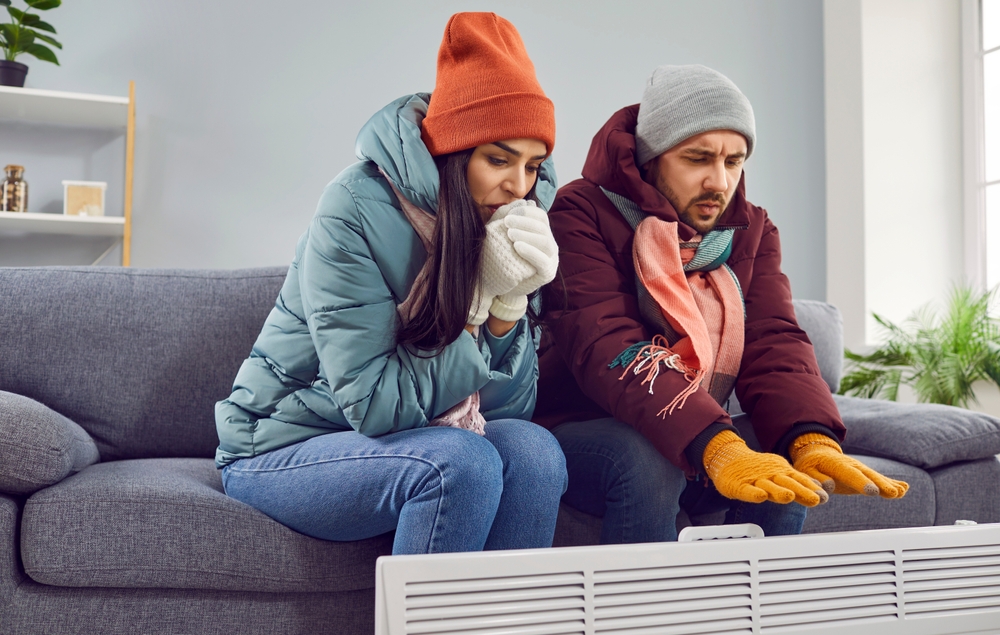
The amount of heat lost through doors and windows varies from one home to the next and is influenced by the number, age, and design of the doors and windows that are installed in the property. In most cases, warm air escapes through windows and doors in the following ways:
- Convection: When warm air inside the home comes into contact with colder surfaces such as window panes or door frames, it cools and sinks, creating draughts. Gaps or cracks in frames allow cold air to enter a poorly insulated building, forming convection currents that increase heat loss.
- Radiation: Where heat is absorbed by glass and transferred outwards. This infrared energy passes easily through single-glazed windows and high-emissivity glass, allowing warmth to escape.
- Conduction: This is when heat travels directly through solid materials such as metal frames and glass panes, transferring warmth from inside the home to the cold outside.
- Infiltration: Unwanted draughts occur when outside air seeps into the home through small openings in doors and windows, including keyholes and letterboxes. This reduces internal temperature and increases the need for heating.
How To Prevent Heat Loss Through Doors and Windows
- Upgrade glazing/window coatings: The most expensive (and labour-intensive) solution to reducing heat loss from windows is the installation of multi-glazing. Double- and triple-glazing options consist of multiple panes separated by an insulating gas that slows heat transfer. These may also feature a low-emissivity (low-E) coating, which reflects heat back into the room and helps maintain a comfortable indoor temperature.
- Thick curtains: Thick, well-lined curtains can provide an extra layer of insulation during colder months, with thermal options particularly effective at blocking draughts and retaining heat. Floor-length curtains, such as those designed for front doors, can further improve internal temperature while adding a cosy feel to your home.
- Weatherstripping: Weatherstripping is a cost-effective way to reduce draughts around doors and windows. Often made from self-adhesive foam or rubber, this type of seal is easy to install and is designed to sit over moveable components, such as the point where window sashes overlap or the inside edge of the doorstop, instantly boosting home comfort and energy efficiency.
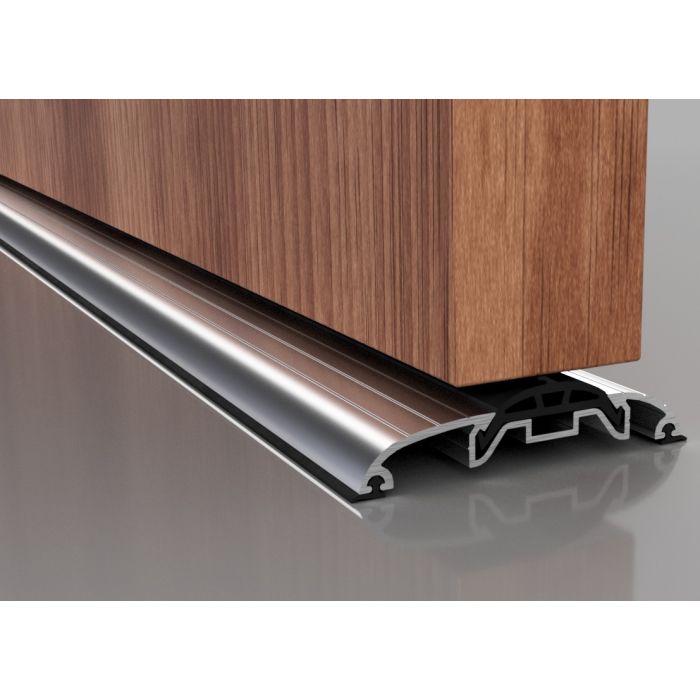
- Door furniture: Door draught excluders fitted to the bottom of doors can effectively block the entry of cold air and prevent warm air from escaping the home. Additional door fittings, such as letterbox covers and keyhole escutcheons with metal discs, also help reduce draughts and keep your home at a suitable temperature.
- Door hardware: Faulty or loose door hardware can create gaps that allow cold air to seep into your home. Regularly checking hinges, locks and latches, and tightening or replacing them where necessary, helps ensure doors perform as expected, close securely, and maintain a proper seal.
Doorfit: Your Experts in Architectural Hardware
Doorfit is one of the UK’s leading suppliers of high-quality architectural hardware, with over 70 years of experience serving domestic and commercial customers. We combine technical expertise with dependable products from the industry’s most trusted brands to deliver effective, energy-saving solutions for homes and businesses alike.
Keep the cold out this winter by exploring our extensive range of window and door hardware today.