Key Takeaways
Understanding the distinction between individual fire doors and complete, certified fire doorsets is essential for safety. By ensuring that doors, frames, and ironmongery are tested as an integrated unit, you can more effectively meet UK building regulations. Always prioritise third-party certification and professional installation to maintain the Golden Thread of compliance, ensuring your commercial property remains safe and compliant for the long term.
Table of Contents
Fire Doorsets vs. Fire Doors
The difference between a fire door and a fire doorset
When buying fire safety equipment for a business property, it is helpful to know the difference between individual components and complete units.
A single fire door leaf represents only one part of the safety system. To function as intended during an emergency, the door needs to be perfectly matched with its specific frame and all necessary hardware, forming a fully certified fire doorset.
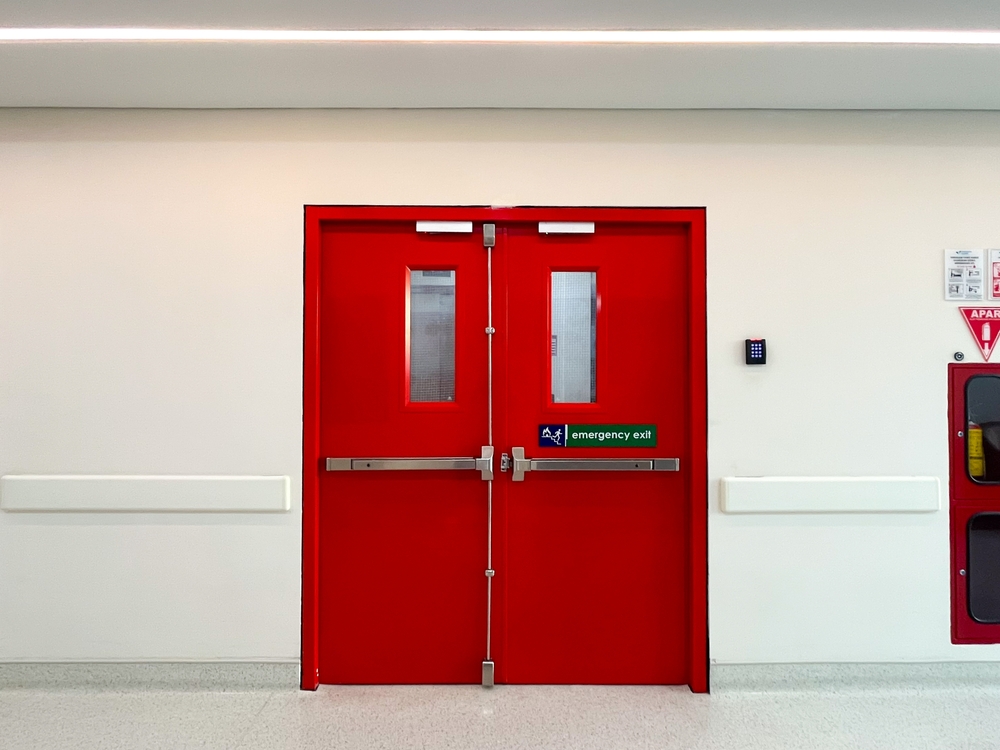
Why you should choose a complete fire doorset
A fire doorset is a fully engineered system comprising the door leaf, the surrounding frame, and all essential ironmongery. Because every component is designed to work together, a doorset provides much better protection against smoke and flames.
Using a doorset eliminates the risk of gaps that might arise if you source parts from different suppliers. This integrated approach ensures that the entire assembly meets the required safety standards from the moment it is installed.
The importance of third-party certification
It is vital to look for third-party certification when selecting your fire doorsets. This means that an independent organisation has tested the complete unit to ensure it performs correctly under heat.
When you purchase a certified product, you get peace of mind that the leaf, frame, and hardware have been rigorously evaluated as one single unit. This level of quality assurance is essential to meet UK building regulations and keep your staff and visitors safe.
Navigating Building Regulations, FD30 vs. FD60
Understanding Fire Resistance Requirements
When you select doors for a commercial property, you must follow the guidance provided in Approved Document B. This document sets out the legal standards for fire safety across England.
The primary goal is to ensure that doors provide sufficient fire resistance to allow people to escape safely and to prevent fire from spreading between rooms. You will often see these products categorised by how long they can withstand fire, from 30 minutes (FD30) to 240 minutes (FD240).
Comparing FD30 and FD60 Performance
The term ‘FD30’ refers to a door that offers 30 minutes of fire protection. This is the most common choice for many offices and residential corridors. If the building risk assessment suggests a higher level of safety is needed, you should choose an FD60 door instead. An FD60 unit is designed to resist fire for 60 minutes.
Both types of doors rely on special components to perform well during a blaze. A vital feature is the use of intumescent seals around the frame.
These seals expand when they get hot. Effectively blocking smoke and flames from travelling through the gaps around the door leaf. Always check the specific requirements for your building layout before making a purchase to ensure you remain compliant with the law.
The Role of Certified Architectural Ironmongery
The Importance of Certified Ironmongery
Selecting the correct ironmongery is as vital as choosing the door leaf itself. Every component must be fully compatible with the fire door assembly to ensure the unit performs correctly during an emergency.
You should always insist on hardware that carries official certification. Products displaying the CE marking or the UKCA marking provide the necessary assurance that they have been tested to rigorous safety standards.
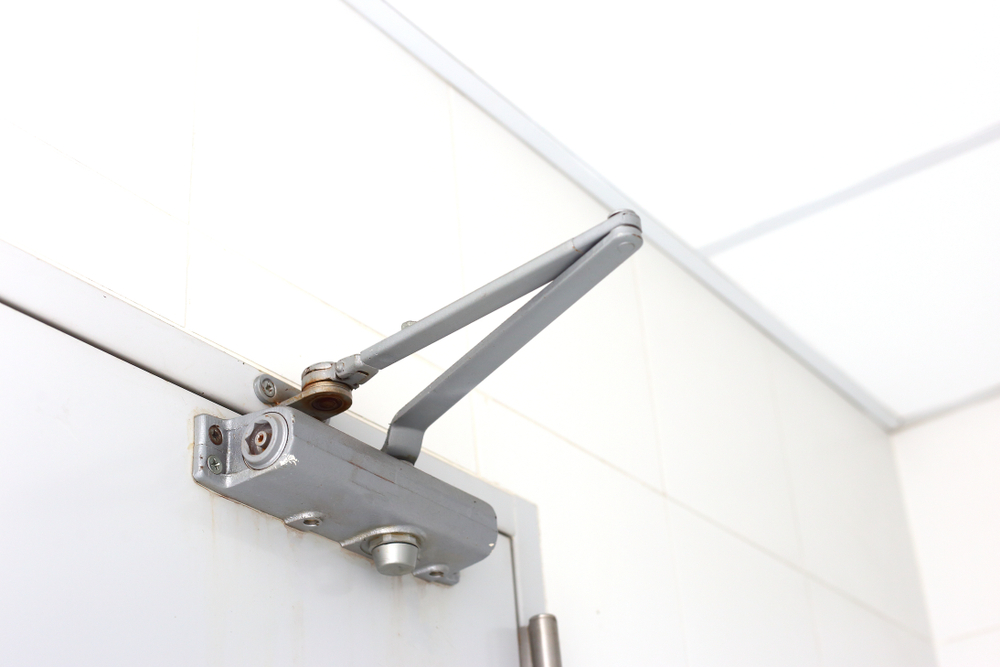
Essential Hardware Components
Fire door safety relies on the integrity of several specific items. Door closers are critical because they ensure the door returns to a fully latched position after every use.
Without a working closer, smoke and flames can spread quickly through a building. You must also select fire-rated hinges that are designed to withstand high temperatures without failing. These items prevent the door from sagging and ensure it stays perfectly aligned within the frame.
Finally, your chosen latches must be robust enough to keep the door firmly held in the frame during a fire event. If the hardware is not fire-rated, the entire doorset may fail under stress regardless of how well the door itself is built.
Always check that every item on your procurement list has been tested specifically for the type of fire door you have purchased.
Durability and Mechanical Performance in Commercial Spaces
Commercial buildings experience much higher levels of wear than residential properties. When selecting fire doorsets, you must consider the building’s usage intensity.
Doors in busy corridors or at office entrances open and close constantly throughout the day. If the materials are not robust, the door will quickly show signs of damage or loose fittings.
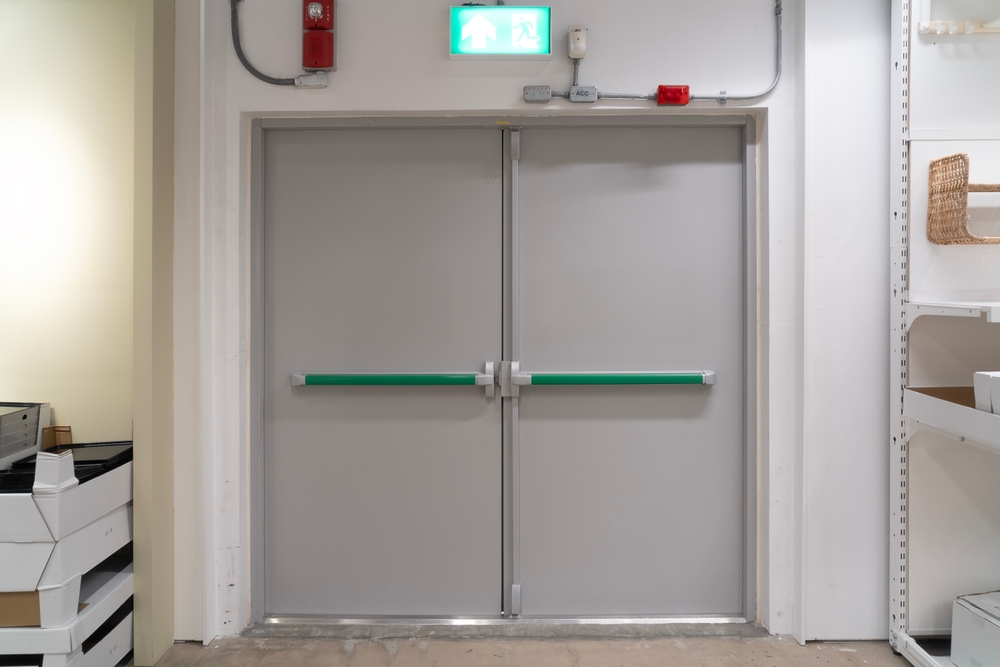
Testing for Long-Term Reliability
To ensure your investment lasts for many years, you should prioritise products that have undergone rigorous cycle testing. This process simulates the wear and tear a door will face over its lifespan.
A doorset that passes these checks, such as those supplied by Doorfit, provides peace of mind that it will function correctly during an emergency while maintaining its integrity under daily pressure.
Structural Integrity and Hardware Selection
Mechanical strength is essential for fire doorsets located in public areas. A door lacking the necessary structural integrity may sag or develop latch misalignment, preventing it from closing properly. You must also specify heavy-duty hinges designed for high-traffic environments.
These components support the door leaf’s weight over time and prevent the unit from dropping into the frame. By focusing on these technical aspects, you ensure that your building remains both safe and cost-effective in the long term.
Aesthetic Flexibility in Commercial Interior Design
Blending style with essential safety
Modern commercial buildings demand a balance between high safety standards and an appealing environment.
Fire doors are no longer just plain utility items that detract from a space’s visual character. Today, designers have access to a wide range of options that ensure fire protection works seamlessly with the overall look of an office or public building.
Providing a high-quality finish helps to create a professional atmosphere while meeting all legal building requirements.
Customising your interior doors
There are many ways to tailor doors to suit a project. Veneer finishes are a popular choice for those who want a natural and premium timber look. These provide warmth and character to reception areas or meeting rooms. If the space requires something more durable, laminate doors offer a practical solution.
These come in many colours and textures, making them ideal for high-traffic corridors where wear and tear is a constant concern. Both options allow architects to maintain a consistent theme throughout a property without compromising on fire resistance.
Integrating light and visual flow
Incorporating light is vital for achieving a modern feel. The use of glazing allows natural light to travel through deep floor plans.
By adding vision panels to your fire doors, you can improve visibility between rooms and create a safer environment for staff. These elements are a key part of contemporary design, as they help break up solid walls and make interior spaces feel much larger.
Selecting the right frame and glass type ensures that your doors remain stylish and compliant with fire safety regulations at all times.
Installation Compliance and The Golden Thread
Ensuring Correct Installation Standards
Selecting the right fire doorset is only the first step in protecting your building and its occupants. Professional fitting is essential because even the highest quality door will fail to stop smoke or fire if it is installed incorrectly.
It is important that your installer follows the manufacturers installation guide, and carries Third Party accreditation if you want to be sure of a certified installation.
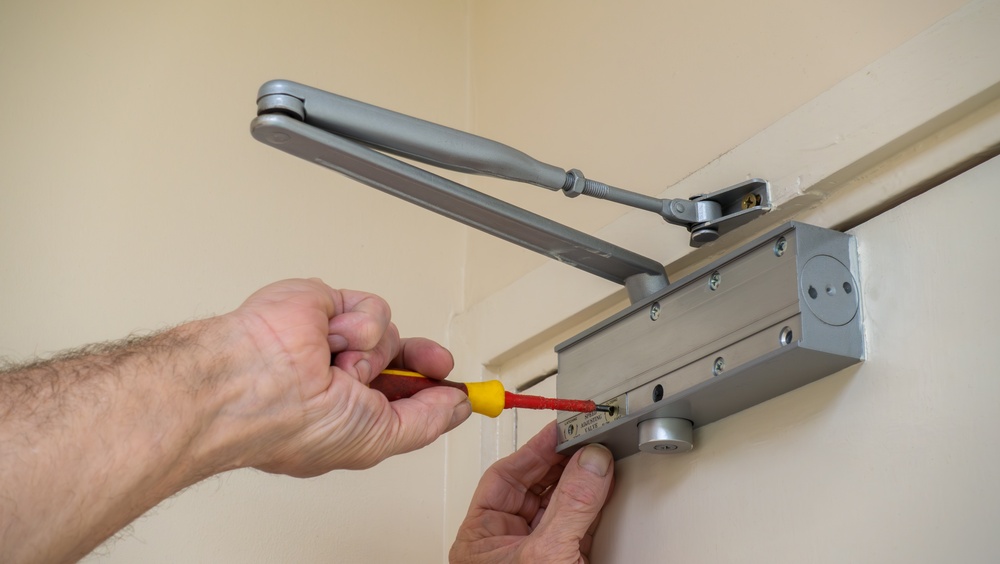
Building the Golden Thread
The Golden Thread of information is a vital concept for modern commercial buildings. It requires you to keep clear and accurate records for every fire door from the design stage through to completion and beyond.
You should treat this as a living record that tracks every detail of the product. Proper compliance documentation is necessary to demonstrate that the installed doorset is exactly as specified and meets all safety regulations.
Maintaining Long-Term Safety
After your doors are installed, you must schedule a formal installation audit to verify that the work matches the manufacturer’s instructions. This audit acts as a formal record within your compliance documentation file.
Regular checks ensure that the fire performance remains intact throughout the building’s lifespan. By maintaining these records, you help build the Golden Thread that is now a requirement for safe building management in the UK.
Explore fully certified fire doorsets at Doorfit
At Doorfit, we supply and fit fully certified fire doorsets for commercial, communal, healthcare and social housing settings in the West Midlands and beyond.
Our certified solutions help protect lives, safeguard property, and ensure complete legal compliance, providing total peace of mind for installers, commercial building owners, and facilities and estate managers alike.
See our full offering using the button below.